
Apicoectomies & Root Canal Surgery Melbourne
Preventing the Spread of Harmful Infections

Our top priority is to save your natural tooth, and apicoectomies allow us to do so when the tissue surrounding an infected tooth is severely damaged. This type of microsurgery lets us heal not just the interior of your tooth, which a root canal can, but also the area around it if the infection has progressed. If you’re experiencing oral pain that you feel is associated with an infection, call our office today to schedule an emergency appointment and preserve your natural smile with apicoectomies and root canal surgery in Melbourne.
Why Choose Associated Endodontists of Melbourne for Apicoectomies?
- Same-Day Emergency Appointments Available
- An Endodontist Who Has Performed 35,000+ Root Canals
- Precise Treatment with a High-Powered Dental Microscope
What Is an Apicoectomy?
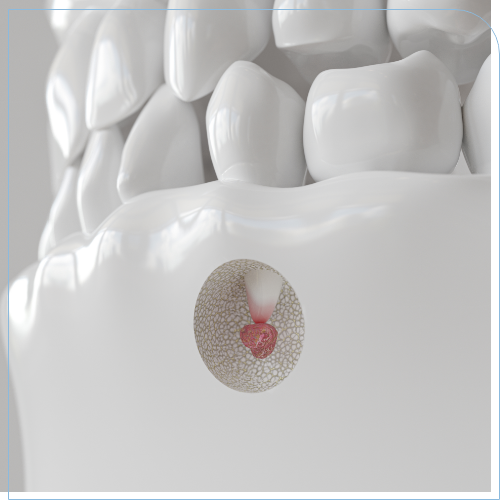
An apicoectomy involves removing any remaining inflamed or infected tissue around a tooth and at the tip of the roots. The goal is to remove this diseased tissue to keep the infection from spreading to surrounding teeth. If this procedure isn’t completed, your only other options for treatment involve extracting the tooth or not getting the treatment, which could result in the infection spreading and compromising the health and stability of surrounding teeth.
The Apicoectomy Treatment Process
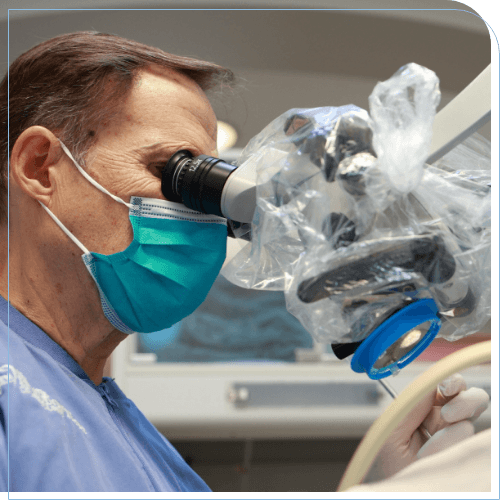
Dr. Scott has decades of experience and specialized training and education that will make your apicoectomy a breeze. He’ll begin the treatment by numbing the area around the tooth to ensure you’re comfortable while he accesses the roots of the tooth in question. He’ll then remove a few millimeters from the tip of the roots as well as any infected or inflamed tissue surrounding it. To ensure no harmful bacteria linger, he’ll thoroughly clean and seal the interior of the tooth using our advanced GentleWave® system. Finally, he will suture the gums so they can heal.
What Happens After My Apicoectomy?

Once the numbing effect has begun to wear off, you’ll likely experience some discomfort, sensitivity, and swelling around your treated tooth. These side-effects should improve with time, eventually going away altogether. We recommend taking a day or two off of work or school to fully recover from the procedure and before returning to your normal activity level. We may also prescribe some antibiotics for you to take after your treatment to make sure the infection is completely cleared, as well as ibuprofen or another anti-inflammatory.
Apicoectomy FAQs
What is an apicoectomy and why do I need one?
If you have recently had a root canal or root canal retreatment, you may require an apicoectomy if you have persistent inflammation after the procedure.
When you undergo a root canal, the canals of your teeth are cleaned and sealed. Unfortunately, however, because the root canal systems are extremely complex and full of tiny branches, it is sometimes possible to miss infected tissue, especially in harder to reach areas.
An apicoectomy removes the tip or apex of the root, along with any surrounding infected tissue. The root will then be resealed with a filling to prevent it from becoming reinfected.
What happens during apicoectomy surgery?
Apicoectomy surgery is usually done under local anesthesia to numb the area surrounding the tooth. Your endodontist will first make an incision in the gums near the tooth to expose the bone and tissue around the apex of the root. Then, the infected tissue and any damaged bone will be removed.
Next, the healthy portion of the tooth’s root will be sealed with filling material, and your incision will be sutured closed. In some cases, a metal post may be placed into the root canal to support a future dental crown.
How should I prepare for an apicoectomy?
Before your apicoectomy, you’ll first meet with your endodontist for a consultation. At this time, you may have X-rays taken, and you may be prescribed antimicrobial mouth rinse and/or anti-inflammatory medicine and antibiotics.
If you have high blood pressure or are sensitive to epinephrine, please notify Dr. Scott, as local anesthesia for an apicoectomy contains more epinephrine than typical dental anesthetics to minimize bleeding and improve visibility. It is common for patients to feel their heart race briefly after being injected, but this is both temporary and completely normal.
What are the risks involved in an apicoectomy?
At your consultation, Dr. Scott will review any potential risks for your apicoectomy procedure. The most common concern is that this treatment may not be successful and your tooth may eventually need to be extracted.
Other, location-specific risks may include:
- Upper molars may affect your sinuses, and as a result you may be prescribed antibiotics or decongestants to prevent this.
- Lower molar roots are close to nerves, and thus there is a small risk of temporary numbness.
Thankfully, complications from this procedure are very rare, and this treatment is typically a successful, long-term solution for saving an infected tooth.