
Root Canal Retreatment Melbourne
Give Your Tooth a New Lease on Life
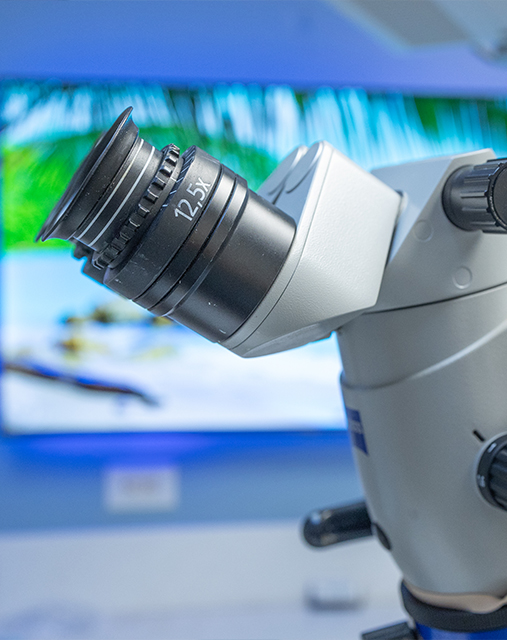
While root canals have an incredibly high success rate of between 80 to 90%, allowing most patients to preserve their natural tooth for the rest of their life, some infections may resurface months, or even years down the road. In these situations, it’s crucial to see an endodontic specialist like Dr. Paul Scott. Root canal retreatment in Melbourne allows your once-treated tooth a new chance to survive, and because our team uses the latest, most accurate technology, you can enjoy incredibly high retreatment success rates.
Why Choose Associated Endodontists of Melbourne for Root Canal Retreatment?
- Precise Treatment with a High-Powered Dental Microscope
- Comfortable Root Canals with GentleWave® Technology
- We Accept & Maximize Dental Insurance
What is Root Canal Retreatment?
Root canal retreatment is exactly what it sounds like, the process of retreating a tooth that has already undergone root canal treatment and has become reinfected. The process is similar to a traditional root canal—Dr. Scott will re-access the inner chamber of the tooth and find the source of your symptoms or discomfort. This may mean searching for any pulp or other abnormalities that may have been overlooked during your initial procedure. Using our GentleWave® system, we can thoroughly clean out the canals of your tooth to prevent the chance of reinfection.
Why Would I Need Root Canal Retreatment?
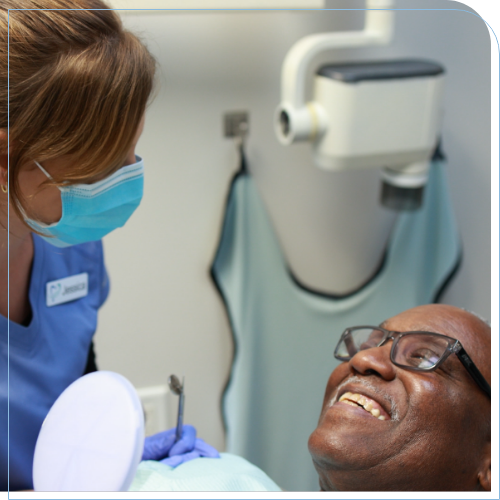
There are several signs that you can keep an eye out for to indicate that you need retreatment, but one of the most recognizable and common ones is pain. If your treated tooth begins to ache or you experience sharp pain in and around it, call our office immediately. In some cases, you may experience no pain, but notice an abscess forming along the gumline of your once-treated tooth. This will look like a pimple-like bump.
The Root Canal Retreatment Process
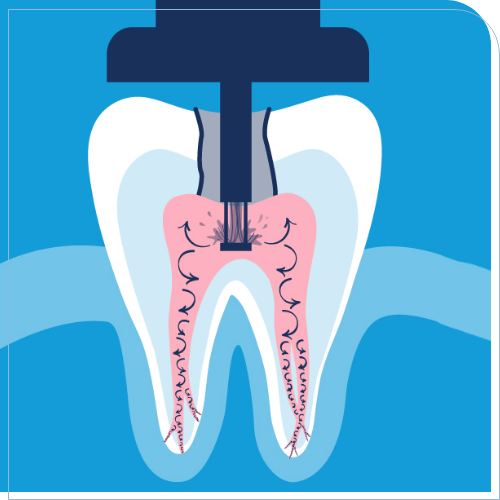
Having a tooth retreated is very similar to the initial procedure. Dr. Scott will begin by numbing your mouth before removing your dental crown and the gutta percha from your tooth. He’ll carefully examine the canals of the tooth using his dental microscope to ensure that any signs of existing pulp are spotted and removed. Our GentleWave® system uses soft, broad-spectrum acoustic energy and fluids to thoroughly clear the canals of any and all infected tissue. This advanced technology drastically minimizes the chances of needing to undergo retreatment in the future.
Root Canal Retreatment FAQs
What could cause my original root canal treatment to fail?
A tooth that had root canal treatment in the past can need care again for several reasons. Sometimes a canal was very narrow, curved, or hard to detect during the first procedure, so bacteria was able to remain deep inside the tooth. A crown or final restoration may also have been delayed, loose, cracked, or unable to seal the tooth well enough. New decay, a fracture, or bite stress can also let bacteria enter a tooth that once felt stable, leading to a new infection.
If you have a toothache in Melbourne, pressure, or a recurring pimple on the gums near a treated tooth, please contact our endodontic specialty practice. We will use advanced imaging, magnification, and careful diagnostic tests to find the reason for the problem. Many teeth that have undergone prior treatment can still be saved, and our goal is always to do so.
Does endodontic retreatment cost more than an initial root canal?
Endodontic retreatment can cost more than an initial root canal because it often requires extra time, specialized skill, and careful removal of older root canal materials. The fee also depends on tooth type, canal shape, infection level, and whether additional procedures are needed. We will explain the expected cost before treatment so you can make an informed choice.
Our team welcomes dental insurance, and we can assist you with the claims process. We are also happy to accept low-interest financing through CareCredit. If you have concerns about the cost of your care, let us know, and we will do our best to accommodate your unique situation.
Are there any alternatives to root canal retreatment?
Yes, there are alternatives, and we can review them with you. In some cases, endodontic surgery may allow us to treat the root end when standard retreatment cannot reach the source of infection. Another option is tooth removal, followed by a bridge, implant, or partial denture. Each choice has its own benefits, limits, and costs. The best option depends on the condition of your tooth, bone, gums, and overall dental plan.
Why should I visit a specialist for root canal retreatment?
A root canal retreatment often requires a higher level of detail than the first procedure. In order to become an endodontist, Dr. Scott committed years of her life to additional training after dental school. She sees unique endodontic cases regularly, so she and our team are equipped to handle even complex situations. Many general dentists and other practitioners do not even offer root canal retreatment due to the specific skillset that is required.
What can I expect after my endodontic retreatment?
After endodontic retreatment, your tooth may feel tender for a few days, especially if infection or soreness was present before your visit. This tends to improve quite quickly if you follow prescribed aftercare instructions. For example, you may need to avoid heavy pressure on the tooth until you get a crown for it. You may also need to change your diet and take medication.
If you run into any questions or experience unusual sensations (such as severe pain) during your recovery, please reach out to our team. Describe the situation so we can offer tailored advice to help you navigate your concerns.