
The different parts of the body don’t work in isolation. Oftentimes, taking good care of one part helps improve the health of other parts. Your endodontist knows this all-to-well. As a specialist who frequently treat dental infections, they recognize how quickly a problem in the mouth can become a problem for the heart, bloodstream, or the brain.
One study in particular found an important link between oral bacteria and dangerous brain abscesses. Keep reading to stay informed and learn how to protect your health!
What is An “Abscess”?
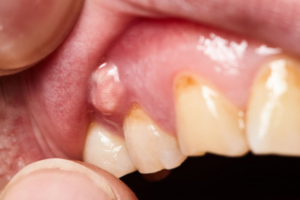
An “abscess” is a pimple-like bubble of tissue that contains pus and other infected material. They typically form when there’s a buildup of bacteria, but can also be caused by fungi and parasites. Technically, they can develop almost anywhere in the body, not just the brain.
Endodontists, for example, see many cases of dental abscesses. This is because the best way to treat them is usually through a root canal procedure. A root canal effectively eliminates the source of the infection without damaging or removing the tooth and also drains the abscess in the process. Since the infection can spread to other parts of the body, dental abscesses can be quite dangerous and are considered a dental emergency.
An abscess in the brain can also quickly cause serious complications. Even a small one can exert enough pressure on the brain to restrict blood flow, which can lead to pinpoint headaches, neurological deficits, fever, or permanent damage. They can be deadly and require immediate medical attention. Treatment often involves IV antibiotics and surgery.
What Does the Research Say?
As noted earlier, it’s well-documented that bacteria in the mouth can enter the bloodstream and affect other areas of the body, including the brain. Those who develop Alzheimer’s, for example, are more likely to have traces of Porphyromonas gingivalis (the bacterium largely responsible for gum disease) in their brains. The same inflammation that characterizes gum disease is thought to inflame brain tissue, leading to cognitive decline.
When it comes to brain abscesses, the University of Plymouth found that in cases where the cause of a brain abscess was unknown, individuals were three times more likely to have oral bacteria in their tissue samples. Specifically, the type of bacteria they identified was Streptococcus aginosus – the very bacterium that’s associated with dental abscesses.
Good Oral Health Promotes Good Brain Health
While this does not mean that oral bacteria or dental abscesses cause brain abscesses, it does indicate that there’s a strong link between them. Just like with Alzheimer’s, it seems that taking good care of your mouth and mitigating bacteria buildup can, in turn, promote your brain health. This highlights the importance of brushing your teeth twice daily, flossing once per day, and attending regular checkup and cleaning appointments.
It also demonstrates that if something’s wrong with your teeth or gums, it should be addressed immediately. An emergency root canal could save you from needing emergency brain surgery further down the road!
About the Author
Dr. Paul Scott is an experienced endodontist in Melbourne. He has performed over 35,000 root canals and was the first to bring “Microscopic Endodontics” to Brevard County, Florida. He and his team accept same-day appointments for dental emergencies and provide fast, quality treatment when patients need it most. If you notice a dental abscess forming near your tooth, call Associated Endodontists of Melbourne at 321-722-0550.